


"A family located in north London wants to find an remarkable and experienced tutor to assist their most junior child on his first steps to turning into an British gentleman."
Upon seeing this listing, you might naturally miss the wording "beginning" as just an expression.
Yet, it might be the most significant aspect of this unique position posting, as it seeks to find a mentor for a 12-month-old.
Many of submissions have already been received since the anonymous family advertised their request for the highly paid tutor, who must be "an exceptional individual".
In recent few weeks, the advert has attracted attention across the press, with several wondering why?
Progressive Approach
A tutoring expert, CEO and founder of an education consultancy, which is assisting the family in their quest, explained that notwithstanding initial skepticism, he considered the plan "forward-looking", and "advanced".
When he consulted the family, he noted they appreciated the unusual character of their request, and how young their son is.
Nevertheless, they stated that they "were unwilling to delay any longer" to hire a tutor, as they had postponed until their firstborn was five, and by that age "cultural conditioning had by then become established".
But what does the family indicate by "cultural bias"?
It's "everything", he responded. "How you eat, how you speak".
He said the older sibling had absorbed "really subtle, body language" from the family, and had adopted their cultural norms. The family informed Adam they wished to avoid this pattern to recur with their younger child.
The intention: To engage a English tutor, who must speak with standard English accent, to shape the baby from day one.
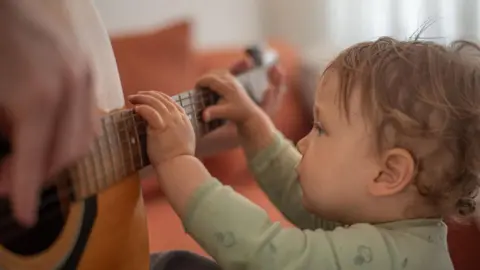
Osmotic Learning
"A lot of the learning at the outset here is somewhat absorbed naturally," said the CEO.
It's by means of this osmosis that the family are expecting the child will acquire the British traits they want to instil.
The consultant noted the tutor had to be an individual who studied at "prestigious academies – the same kinds of schools as the family aspire to send their son to".
"The instructor must be the suitable individual, they'll be doing things they don't even know they're doing, just naturally," he added.
Expense Not a Factor
The family told Adam the chosen tutor should ideally also have knowledge of or interest in equestrian activities, winter sports, the arts and musical activities so as to influence the child in a wide range of passions.
Additionally though, he explained the family wanted the tutor to enrol the child on a range of lessons so the child would be "equestrian training and picking up an instrument by the time they are approximately three years old".
In the family's view, guiding their son grow into a "English gentleman" will result in achievement and provide access.
"Considering the rights and wrongs of that, because it's undoubtedly a social class indicator," he adds.
Yet, in spite of all this tutelage in "Britishness", might the child absorb so-called cultural bias from the international family he resides with anyway?
"Certainly", replied Adam. "They understand this might not succeed, but they've just taken the attitude of, 'let's give it a go and let's go as early as we can', because the price of it is not a concern," he explained.
Impractical
A number of in the private teaching field who have those concerns.
An education leader, CEO and founder of a tutoring service, who supplies personal educators, stated that "the process of becoming bicultural, or in fact, discovering oneself, is something that must be lived into, not engineered."
He wrote that he had emigrated from China to the UK at the time of seven, and had been brought up understanding and living dual heritages. He continued to learn at a prestigious UK institution.
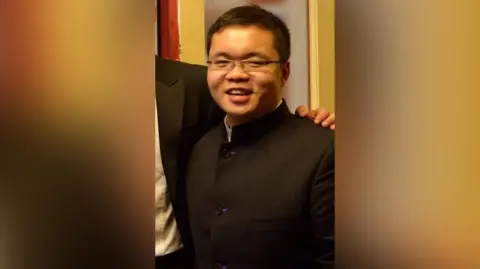
"The idea that a single person can act as a living vessel of UK identity, someone who can possibly transplant the qualities of a UK sophisticate to a 12-month-old child, seems to me optimistic and unfeasible," he stated.
"Based on my background, employing a typically English tutor from early childhood will will not automatically achieve the result they desire.
"I did not have such a tutor, and however I have been lucky enough to experience many of the opportunities they aspire for their son."
He added: "The fact is, cultural identity should not be forced from the outside influences; it must be chosen, and it must come from within."
Acquiring Englishness
Certainly, English culture is something Adam thinks can be taught – and commercialized.
"I believe the fact that the global community regards us in this regard is something that we should be cherishing|valuing|appreciating


